





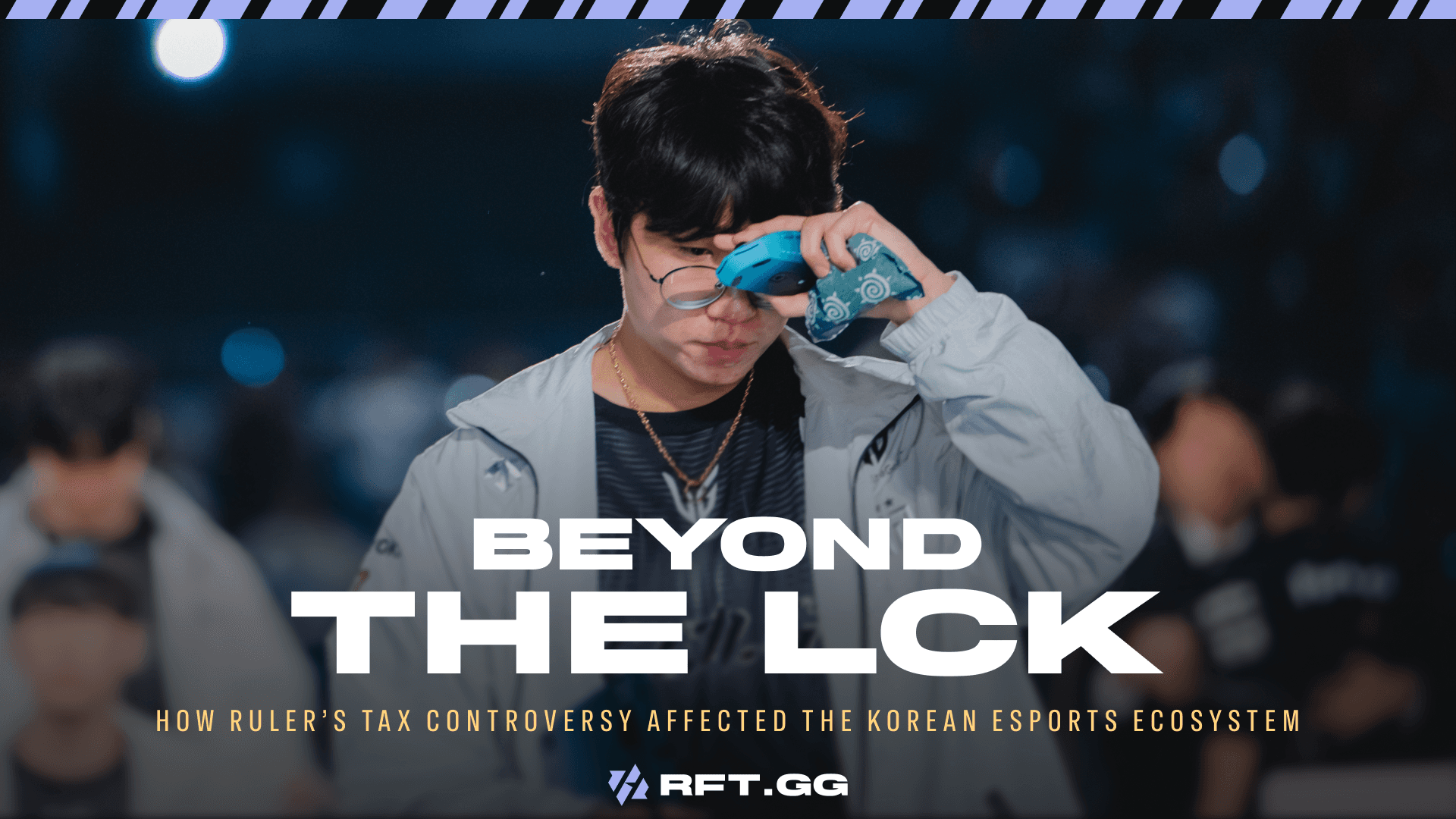
In late March, Gen.G's ADC Park "Ruler" Jae-hyuk was caught up in a major tax controversy that shook the South Korean League of Legends scene. Two weeks later, the repercussions were perhaps being felt in games and communities that had nothing to do with the affair.
How the Korean Military System Works
To understand what is happening, a brief explanation is necessary. Military service is mandatory in South Korea. Those assigned to active duty serve directly in the armed forces, while others — typically those deemed unfit for active service — fulfill their obligations through social service, working in public institutions such as welfare centers or government offices.
This is still military service. These individuals are employed by the military, subject to its rules, and cannot freely take on secondary activities. However, the Korean military (ROKA) has historically allowed certain social service workers to participate in esports tournaments outside of their working hours, on a case-by-case basis, under specific conditions set by the military.
It was under this framework that a number of professional players were continuing their competitive careers while completing their military obligations.
A Revocation With Immediate Consequences
According to Korean outlet Gameple, that framework has now collapsed. In the wake of the Ruler scandal, ROKA revoked a number of these individual authorizations. Players and coaches in the scene have directly linked the revocations to the Ruler controversy — with one coach stating plainly: "It's because of the incident everyone knows about."
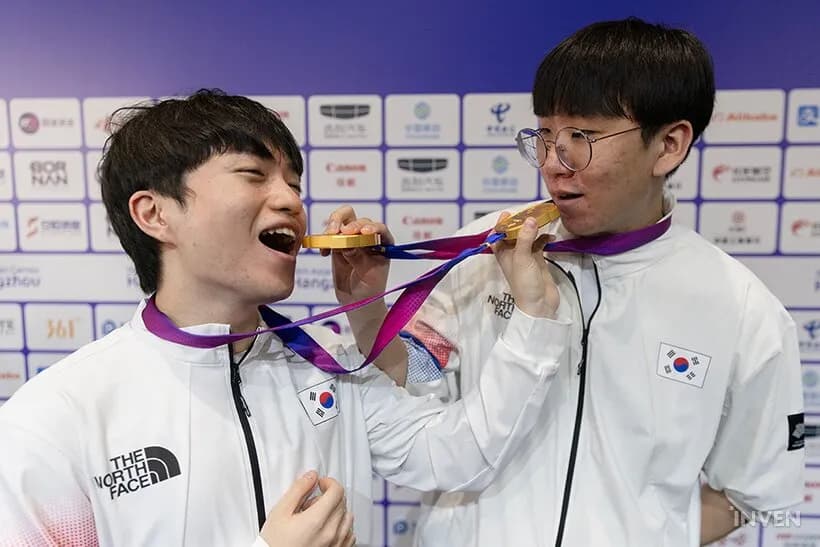
Why? Ruler himself has been exempt from mandatory military service since 2023, when he was part of the South Korean national team that won gold in League of Legends at the Hangzhou Asian Games — a victory that, under Korean law, grants athletes an exemption from military service.

Thank you for your attention about this issue. I'm a Korean Eternal Return team CNJ's fan, and our player Jett(Who played mid lane on LCK DRX and LJL Sengoku Gaming) is in the same situation with Moon "Seogunam" Jun-ho. Your notice will change our current situation for a better way. You are the REAL journalist.
Just few things wrong: Ruler is not exempt from mandatory military service. He served as an " Art and Sports Personnel/예술체육요원" . This is a concept that is often confused even in Korea. you can refer to the website below. https://en.wikipedia.org/wiki/Art_and_Sports_Personnel And Eternarl Return/Snow Flower player's case is not this one. They are serving as Social Service Personnel(Which mentioned in the article), and they attempted to obtain approval for secondary employment, but their request was denied. The secondary employment approval system had been operating normally until the issue involving Ruler, after which it was abruptly suspended. In addition, any income generated through such secondary employment(like prize money and salary) cannot be kept by the players and is donated in full. They are being subjected to such unfair treatment simply because they belong to the same category of “Professional Gamer” as Ruler.